


How the Balance of Your Shears Affects Your Posture (And Why Your Shoulders Will Thank You)
You don’t think about it anymore. Your hand reaches for your shears. Your fingers find the grip. Your thumb moves. The blades open and close. You’ve done this thousands of times. It’s automatic.
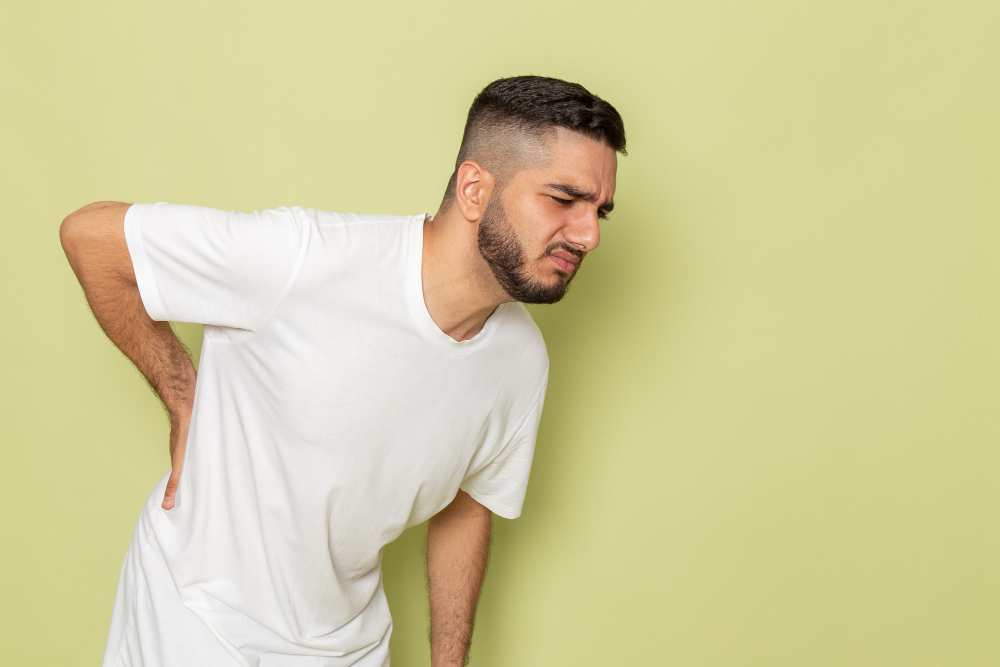
But somewhere beneath your awareness, your body is making constant micro-adjustments. Your shoulder lifts slightly to compensate for a poorly balanced shear. Your wrist twists to keep the blades aligned. Your elbow drifts away from your body to create leverage you shouldn’t need. Your neck tenses because your shoulder is doing work your hand should be doing.
Day after day. Client after client. Year after year.
And then one day, you wake up with a pain you can’t explain. Your shoulder aches. Your wrist throbs. Your neck feels like it’s been cranked to one side. You’ve done nothing differently. Or so you think.
The culprit has been in your hand the whole time. Your shears.
This guide will teach you how the balance of your shears affects your posture, why an unbalanced tool is slowly damaging your body, and how to choose and maintain shears that work with your anatomy—not against it.
The Hidden Connection: Shears and the Body
Most stylists think of their shears as a tool for cutting hair. They are. But they are also a tool for shaping your body—for better or worse.
Body Part How Unbalanced Shears Affect It
Hand Grip harder; strain on finger and thumb joints
Wrist Twisted position to keep blades aligned; repetitive strain
Forearm Compensating for poor leverage; muscle fatigue
Elbow Flaring out to create cutting force; tendon strain
Shoulder Lifting to compensate for weight imbalance
Neck Tilting to align with the off-center cutting position
Upper back Rounded forward to reach; chronic tension
The chain reaction is real. An unbalanced shear doesn’t just affect your cut. It affects your entire kinetic chain—from your fingertips to your spine.
What Is Shear Balance?
Shear balance refers to how the weight and mechanics of the tool are distributed between the two blades and how the tool interacts with your hand.
Types of Balance
Type What It Means
Static balance When the shears are closed, they sit evenly in your hand. No blade is heavier than the other.
Dynamic balance When the shears are in motion (opening and closing), the movement is smooth and even. No jerking, wobbling, or uneven resistance.
Ergonomic balance The shape and offset of the handles align with your natural hand position. Your wrist stays neutral.
A shear can be statically balanced but dynamically unbalanced. It can be well-weighted but ergonomically wrong for your hand. True balance is all three working together.
The Signs Your Shears Are Ruining Your Posture
Sign 1: One Shoulder Sits Higher Than the Other
Look at yourself in the mirror while you cut. Notice your shoulders. Is one lifted? Is one rolled forward?
What’s happening: If your shears are heavy or poorly balanced, your dominant shoulder will lift to compensate. Over time, this becomes your neutral position. You walk around with one shoulder higher than the other—even when you’re not cutting.
The fix: Switch to lighter shears or shears with better weight distribution. Your shoulders should be level when you cut.
Sign 2: Your Wrist Hurts After a Long Day
You finish a full day of clients. Your wrist aches. Maybe it’s throbbing. Maybe you feel a tingling in your fingers.
What’s happening: Unbalanced shears force your wrist into an unnatural position. You’re twisting to keep the blades aligned. That twist puts pressure on the carpal tunnel and the tendons that run through your wrist.
The fix: Look for shears with an offset or crane handle. These designs keep your wrist in a neutral, straight position—not bent.
Sign 3: Your Neck Is Always Stiff on One Side
You wake up with a stiff neck. It’s always the same side—the same side as your shears hand.
What’s happening: When your shoulder lifts to compensate for heavy or unbalanced shears, your neck muscles on that side work overtime to keep your head level. Chronic tension becomes chronic pain.
The fix: Balance your shears. Balance your shoulders. Your neck will follow.
Sign 4: You Feel Fatigue in Your Upper Back
Between your shoulder blades, there’s a constant ache. A burning sensation. A tightness that doesn’t go away with stretching.
What’s happening: Your upper back is rounding forward because your arms are reaching and compensating. Your rhomboids and trapezius are stretched and strained.
The fix: Bring your work closer to you. Use shears that require less reach and less compensation. Keep your elbows close to your body.
Sign 5: You’re Gripping Harder Than You Used To
You notice your knuckles are white. Your hand feels tired after just a few cuts. You’re squeezing the shears like they might fly away.
What’s happening: Dull or unbalanced shears require more force to cut. Your hand is working overtime. That grip tension travels up your arm to your shoulder and neck.
The fix: Sharpen your shears regularly. Check the tension screw. If the shears are still hard to close, they may be poorly balanced or damaged.
The Ergonomic Anatomy of a Shear
Understanding the parts of a shear that affect your posture helps you make better choices.
Part Ergonomic Role
Thumb ring Should fit comfortably without forcing your thumb into extension
Finger rest Should support your ring finger without causing strain
Offset The angle between the handle and the blade; affects wrist position
Crane handle An extreme offset that keeps your wrist completely neutral
Swivel thumb Allows your thumb to move independently; reduces wrist rotation
Weight Heavier shears require more lifting force from your shoulder
Tension screw Too tight = hard to close; too loose = blades misalign
Offset vs. Crane vs. Straight: What’s the Difference?
Handle Type Wrist Position Best For
Straight Wrist is bent (extension) Occasional use; not recommended for full-time stylists
Offset Wrist is slightly bent Most common; good for most stylists
Crane Wrist is neutral (straight) Stylists with wrist pain or carpal tunnel issues
Swivel thumb Thumb moves independently; wrist stays neutral Stylists with thumb joint pain or arthritis
The rule: The more neutral your wrist, the less strain on your entire kinetic chain. If you experience wrist pain, switch to crane or swivel thumb shears.
The “Hand Mirror” Test
Use this simple test to check if your shears are forcing you into poor posture.
What to do:
Stand in your normal cutting position
Hold your shears in your dominant hand
Look at your reflection in a mirror (or have someone observe you)
Check:
Checkpoint What to Look For
Shoulders Are they level? Or is one higher?
Elbow Is it close to your body? Or flaring out?
Wrist Is it straight? Or bent up/down or side to side?
Neck Is it centered? Or tilted toward your shears hand?
Upper back Is it straight? Or rounded forward?
If any of these are “off,” your shears may be the cause—or they may be making an existing postural issue worse.
How to Choose Shears That Protect Your Posture
1. Test Before You Buy
Never buy shears without holding them in your cutting position.
What to do:
Hold the shears as you would while cutting
Close your eyes
Notice where your wrist is. Is it straight? Bent?
Notice your shoulder. Is it relaxed? Lifted?
Open and close the shears several times
Does the motion feel smooth? Or does it require effort?
2. Match the Shear to Your Hand Size
Hand Size Recommended Handle Size
Small (glove size 5-6) Smaller thumb ring; closer finger rest
Medium (glove size 6-7) Standard sizing
Large (glove size 7-8+) Larger thumb ring; more space between handles
A shear that is too large forces your hand to stretch. A shear that is too small forces your hand to cramp. Both cause postural compensation.
3. Consider Weight
Heavier shears are not necessarily better shears.
Weight Impact on Posture
Light (30-40g) Less shoulder lift; less fatigue
Medium (40-55g) Standard; fine for most stylists
Heavy (55g+) Requires shoulder compensation; higher fatigue risk
For full-time stylists, lighter shears are often better for long-term postural health.
4. Prioritize Ergonomics Over Aesthetics
A beautiful shear that hurts your body is not a good shear.
Feature Ergonomic Benefit
Crane handle Neutral wrist position
Swivel thumb Reduced thumb strain
Offset handle Improved wrist angle
Lightweight material (cobalt, titanium) Less shoulder fatigue
Textured grip Less gripping force required
How to Maintain Balance Over Time
Even the best shears will lose their balance if not maintained.
Maintenance Task Why It Matters for Posture
Regular sharpening Dull shears require more force; more force = more strain
Tension adjustment Too tight = hard to close; too loose = misalignment
Cleaning Product buildup affects smoothness of motion
Dropping prevention A dropped shear is rarely balanced again
Professional servicing A skilled sharpener can rebalance shears that have gone out of alignment
The “One Hour” Rule
Pay attention to how your body feels after one hour of continuous cutting.
Sensation What It Means
No pain or fatigue Your shears and your posture are working together
Mild hand or wrist fatigue May be normal; check your grip tension
Shoulder or neck discomfort Your shears are likely too heavy or poorly balanced
Upper back pain You may be rounding forward; check your workstation setup
Numbness or tingling Stop. This is a warning sign of nerve compression. See a doctor.
Final Thoughts
Your shears are not separate from your body. They are an extension of it. When they are balanced, your body can be balanced. When they are not, your body compensates—and that compensation becomes pain.
You didn’t become a stylist to suffer from chronic shoulder pain, wrist strain, or neck tension. You became a stylist to create beauty. Your tools should support that mission, not sabotage it.
The right shears, properly balanced and maintained, will feel like an extension of your hand. Your shoulder will stay relaxed. Your wrist will stay straight. Your neck will stay centered. And at the end of a long day, you will feel tired—but not broken.
Your shoulders will thank you.


