


The True Cost of Cheap Shears: Why Quality Steel Saves Your Career
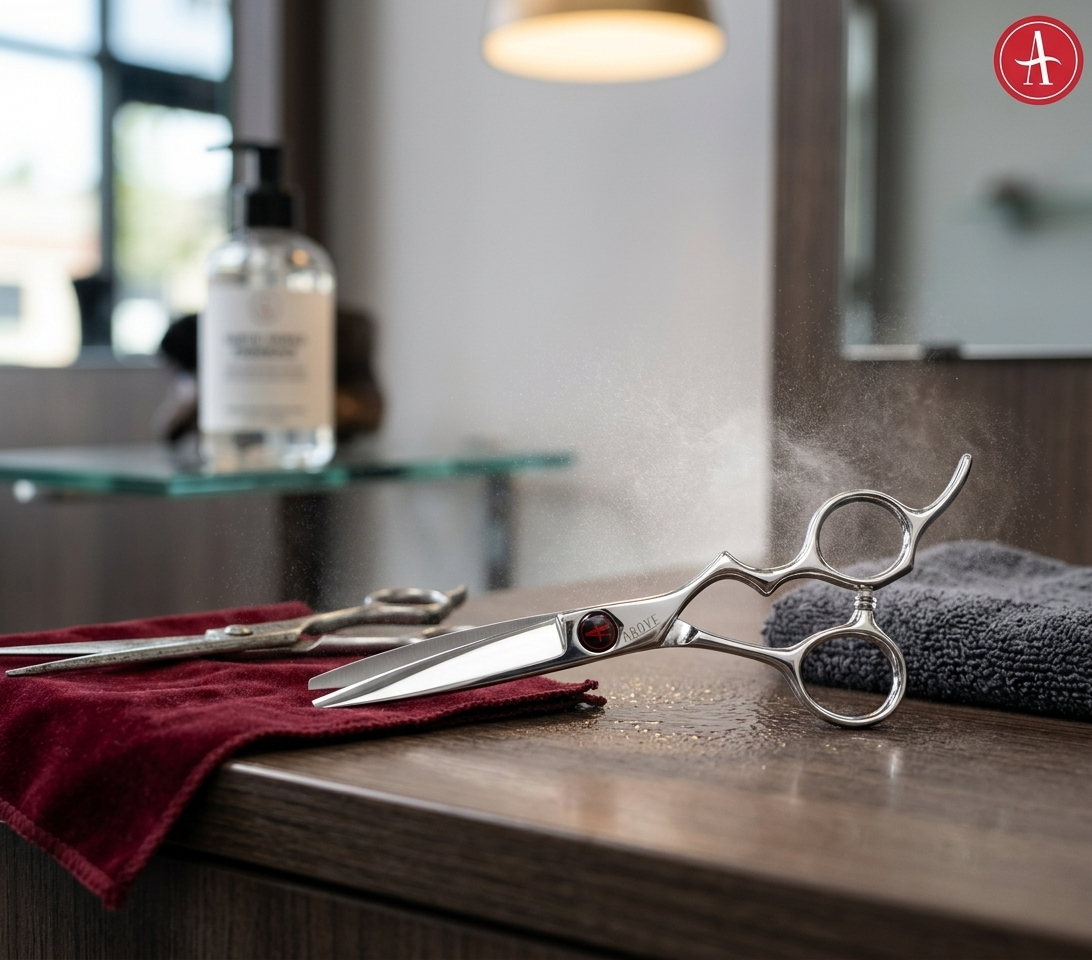
When starting out or upgrading a salon kit, it can be tempting to opt for a budget-friendly pair of cutting shears. On paper, two pairs of shears might look almost identical in the display case. However, behind that shiny chrome finish lies a fundamental difference in metal alloy, balance, and craftsmanship. In the long run, working with low-grade shears carries hidden costs that go far beyond their initial price tag—costs that directly affect your wrist health, your efficiency, and the satisfaction of your clients.
The Chemistry of Quality Steel: Beyond the Surface
The performance of any shear comes down to its metallurgy. Cheap shears are typically manufactured using lower-tier stainless steel alloys that lack the density and hardness required to maintain a razor-sharp edge. Under the friction of daily hair cutting and exposure to salon chemicals, soft steel dulls rapidly.
High-performance shears, such as those forged from premium Japanese VG-10, Cobalt, or ATS-314 steel, undergo precise heat treatment processes that create exceptional hardness and edge retention. Premium alloys allow blades to be sharpened to a surgical convex edge that glides effortlessly through wet or dry hair without bending or pushing the section.
How Dull Blades Impact Hair Health and Efficiency
When a shear loses its razor edge, it stops cleanly slicing through hair fibers and instead begins pushing, pinching, or crushing the cuticle.
Micro-Damage to the Cuticle: A dull blade crushes the hair strand as it closes, leaving frayed ends that split shortly after the client leaves your chair.
Slower Service Times: Struggling with shears that slide or push hair forces you to take smaller sections and make multiple passes, adding unnecessary minutes to every appointment.
Inconsistent Texturizing: Dry cutting or slide cutting with low-grade steel creates tension and pulling, leading to an uncomfortable experience for your client.
Protecting Your Physical Health and Career Longevity
One of the most overlooked consequences of using cheap shears is the physical strain it places on your body. When blades are not sharp, your instinct is to compensate by squeezing your thumb harder to force the blades together.
This constant micro-tension in your hand, combined with poor handle ergonomics, dramatically increases the risk of occupational injuries like Carpal Tunnel Syndrome, tendinitis, and strain across your shoulders and upper back. Investing in high-grade steel with proper ergonomic handles allows the blades to do the work for you, protecting your joints and adding years to your career.
Calculating the True Return on Investment
While premium shears require a higher upfront investment, they consistently prove to be more economical over time. Low-grade shears require frequent sharpening—which wears away the thin metal quickly—or total replacement every few months.
In contrast, a well-crafted shear made from superior Japanese steel holds its edge for significantly longer, withstands professional servicing, and remains a reliable staple at your station for years.
Your shears are not merely an expense; they are an extension of your hands and your primary tool of expression. Choosing quality steel means investing in smoother cuts, happier clients, and a long, healthy career behind the chair.


