


Designing Brunette Colour Services With Subtle Warmth and Depth
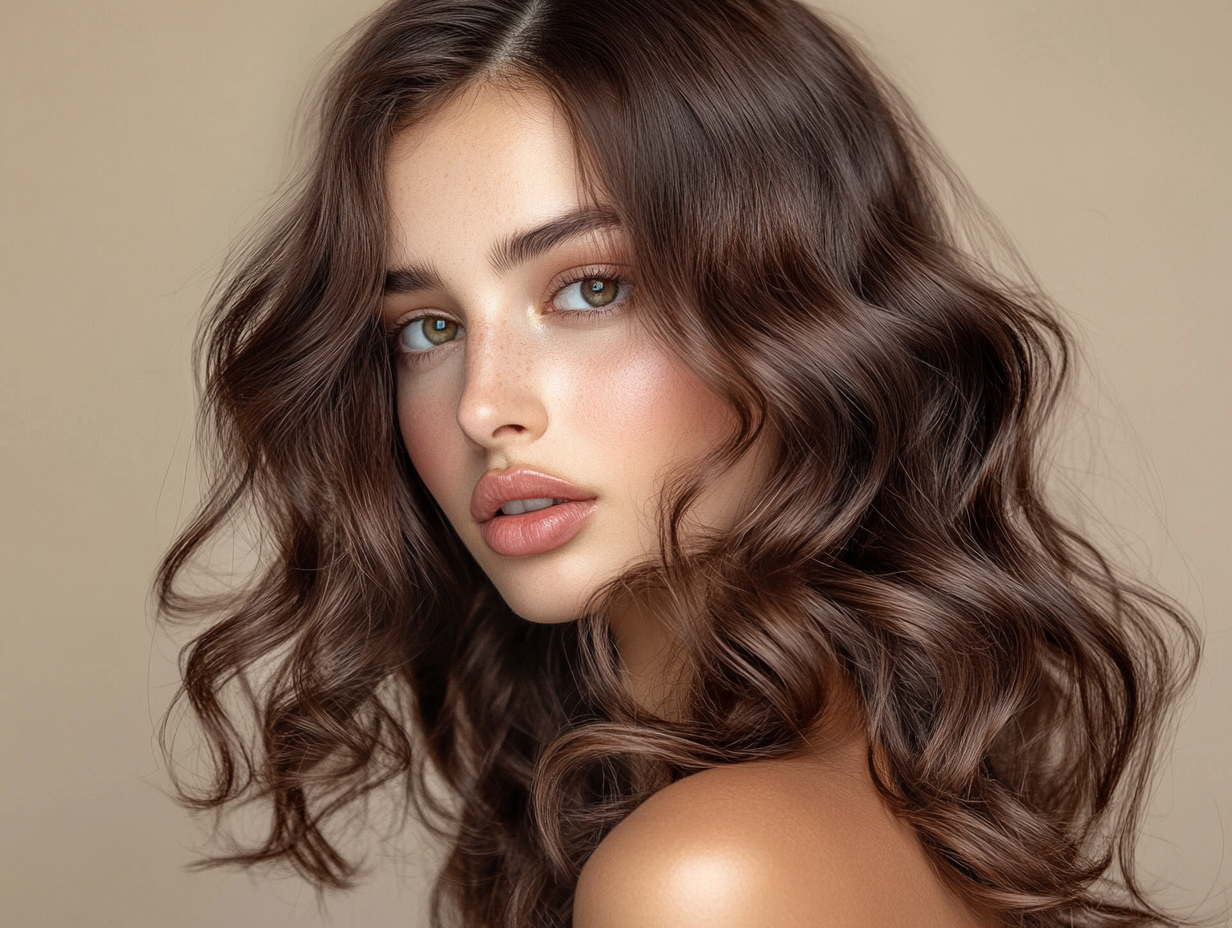
Brunette services have shifted away from flat, uniform results toward designs that balance warmth and depth without appearing heavy or overly rich. Subtle warmth allows brunette colour to look dimensional and natural, while controlled depth ensures longevity and even fading. Designing these services requires careful planning rather than reactive toning.
Understanding Natural Warmth in Brunette Hair
Most brunette hair contains underlying warm pigment, which will surface during lightening or over time through fading. The goal is not to eliminate warmth entirely, but to manage it so it supports the overall colour design.
Effective brunette services account for:
Natural underlying pigment
Existing colour history
Porosity differences from root to ends
How warmth will evolve between visits
Recognizing these factors prevents overcorrection.
Using Depth as a Foundation
Depth creates stability in brunette colour. When depth is inconsistent or too shallow, warmth becomes more noticeable and uneven as the colour fades.
Stylists are prioritizing:
Base shades that sit close to natural depth
Consistent pigment distribution through mid-lengths
Slight variations in depth rather than one solid tone
Strategic placement of darker interior areas
This foundation helps subtle warmth appear intentional.
Introducing Warmth With Control
Warmth in brunette services works best when it is placed selectively. Rather than warming the entire head, stylists are adding warmth where it enhances movement and dimension.
This includes:
Soft warmth through face-framing areas
Mid-length and end enhancement rather than root-heavy warmth
Tonal shifts that follow the haircut’s shape
Avoiding excessive warmth in high-porosity sections
Controlled placement prevents brassy results.
Choosing Tones That Age Well
Not all warm tones fade the same way. Some become overly orange or muddy as pigment breaks down. Selecting tones that soften over time improves wearability.
Stylists are focusing on:
Balanced warm tones rather than extreme golds or reds
Neutral-warm blends that maintain clarity
Pigment levels that fade evenly
Avoiding excessive ash that can dull the colour
This ensures a consistent look between visits.
Sectioning and Application Strategy
Application methods play a major role in how depth and warmth interact. Poor sectioning can lead to patchy warmth or uneven saturation.
Improved strategies include:
Sectioning based on density and porosity
Adjusting saturation levels by zone
Blending depth into lighter areas gradually
Monitoring lift and deposit separately
This creates a smoother finish.
Supporting Longevity and Maintenance
Brunette services designed with subtle warmth and depth require less frequent maintenance. Because the colour evolves evenly, regrowth and fading are less noticeable.
During consultations, stylists are:
Setting expectations for fade behavior
Planning refresh services rather than full reapplications
Designing colour that complements natural regrowth
Aligning services with visit frequency
This reduces corrective work.
Benefits for Salon Efficiency
Well-planned brunette services lead to more predictable results and fewer adjustments. Stylists spend less time correcting warmth and more time refining design.
By focusing on depth management, controlled warmth placement, and fade behavior, brunette colour services become more reliable, longer-lasting, and easier to maintain for both the stylist and the client.


