


Specialty Cutting Techniques and Appropriate Application
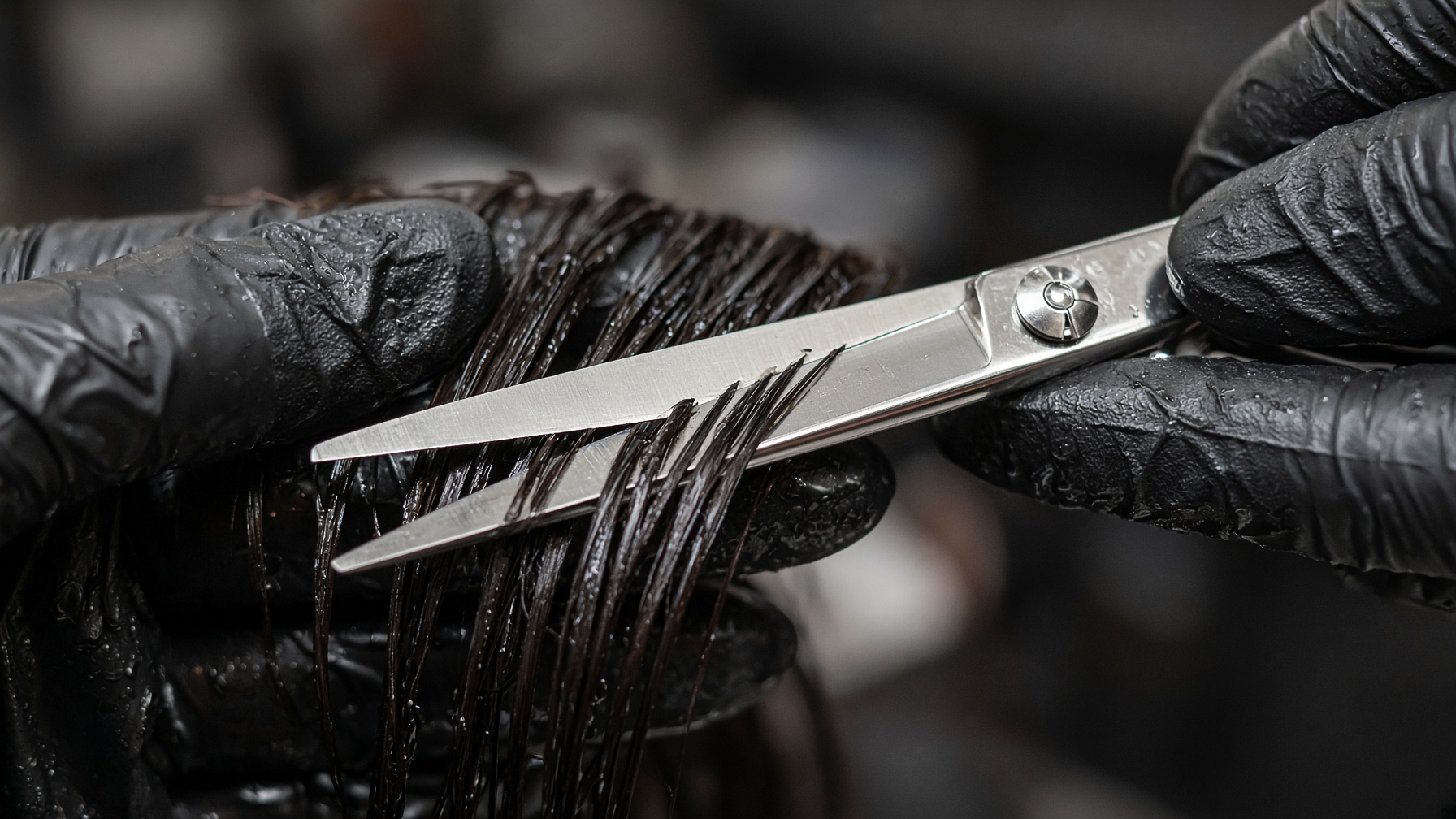
Specialty cutting techniques expand the range of results that can be achieved beyond standard blunt or basic layered cuts. Each method alters weight distribution, edge softness, and internal movement in distinct ways. Selecting the appropriate technique depends on hair density, texture, condition, desired silhouette, and the client’s styling habits. Understanding when and why to apply these methods supports more predictable outcomes and reduces the need for extensive corrective work.
Precision and Geometric Cutting
Precision cutting establishes clean, controlled lines and defined shapes. It is typically executed with sharp shears and minimal texturizing, producing crisp edges and solid weight lines.
This approach is appropriate when:
- The desired result requires a strong geometric form, such as a classic bob, graduated bob, or architectural short cut.
- Hair density is moderate to high and benefits from controlled weight removal rather than diffused edges.
- The client prefers a polished, structured finish that holds a clear shape between appointments.
- Previous chemical services have left the hair in relatively even condition, allowing clean sectioning and consistent tension.
Precision work is less suitable for highly textured or curly hair when a soft, natural edge is preferred, or when the goal is to remove substantial weight without creating a visible line.
Razor Cutting
Razor cutting removes bulk while creating soft, tapered edges and internal movement. The razor’s sliding action thins the hair progressively and produces a lived-in finish.
Use razor cutting when:
- Hair is thick or coarse and requires significant weight removal without a hard perimeter line.
- The client seeks a soft, textured, or piecey result that moves freely.
- Fine or medium-density hair needs added movement without the appearance of choppy layers.
- The service is performed on hair that is in good condition; razor work on highly compromised or porous hair can increase fraying and split ends.
Razor techniques are generally avoided on very fine, fragile, or heavily chemically treated hair, where the additional stress can accelerate breakage.
Point Cutting and Texturizing
Point cutting (also called notching or texturizing) softens edges and removes small amounts of weight by cutting into the ends at an angle. It can be performed with shears or a razor.
This method is useful when:
- A blunt or precision cut needs slight softening at the perimeter without altering the overall shape.
- Medium-to-thick hair requires internal texture to improve movement and reduce bulk in specific zones.
- The client styles the hair with product or tools that benefit from piece separation rather than a solid edge.
- Minimal length removal is desired while still creating visual interest or reducing weight.
Point cutting is less effective for creating major shape changes or for hair that is already very fine and sparse, where further removal can leave the ends looking thin.
Slide Cutting and Internal Layering
Slide cutting involves moving the shears along the hair shaft while cutting, producing long, soft layers and seamless transitions. Internal layering removes weight from within the shape while preserving the perimeter.
These techniques are indicated when:
- Long hair needs added movement and reduced weight without a visible layer line.
- The desired silhouette is soft and blended rather than structured.
- Density is concentrated in the mid-lengths or crown, and internal removal will improve the fall of the hair.
- The client prefers low-maintenance styling that still retains length and a natural appearance.
Slide cutting and deep internal layering should be used cautiously on fine hair, as excessive internal removal can collapse the shape and reduce body.
Graduation and Stacking
Graduation builds weight and creates a stacked or angled silhouette by cutting shorter layers underneath longer ones. It is commonly used in bobs, shags, and short layered cuts.
Graduation is appropriate when:
- The goal is to add volume and lift at the crown or perimeter.
- Hair density is low to medium and benefits from the optical and structural volume created by stacking.
- A defined, angled shape is desired that frames the face or creates height.
- The client is comfortable with more frequent trims to maintain the graduated shape.
Heavy graduation is generally avoided on very thick or coarse hair unless paired with texturizing, as it can create excessive bulk and an overly heavy result.
Selection Guidelines
Effective technique selection begins with a clear assessment of density, texture, elasticity, and previous chemical history. A single cut often combines methods: precision may establish the foundation, followed by point cutting or razor work to refine the edge and internal movement. Documenting the techniques used and the resulting weight distribution supports consistency on return visits and facilitates handoffs between team members.
When the requested shape exceeds what the current hair condition can support, a staged approach—removing weight gradually across appointments—preserves integrity while moving toward the desired result. Specialty techniques expand creative options, but their value lies in matching the method to the hair’s characteristics and the intended outcome rather than applying them universally.


