


The Difference Between 5.5, 6, and 7 Inch Shears (And How to Know Which You Need)
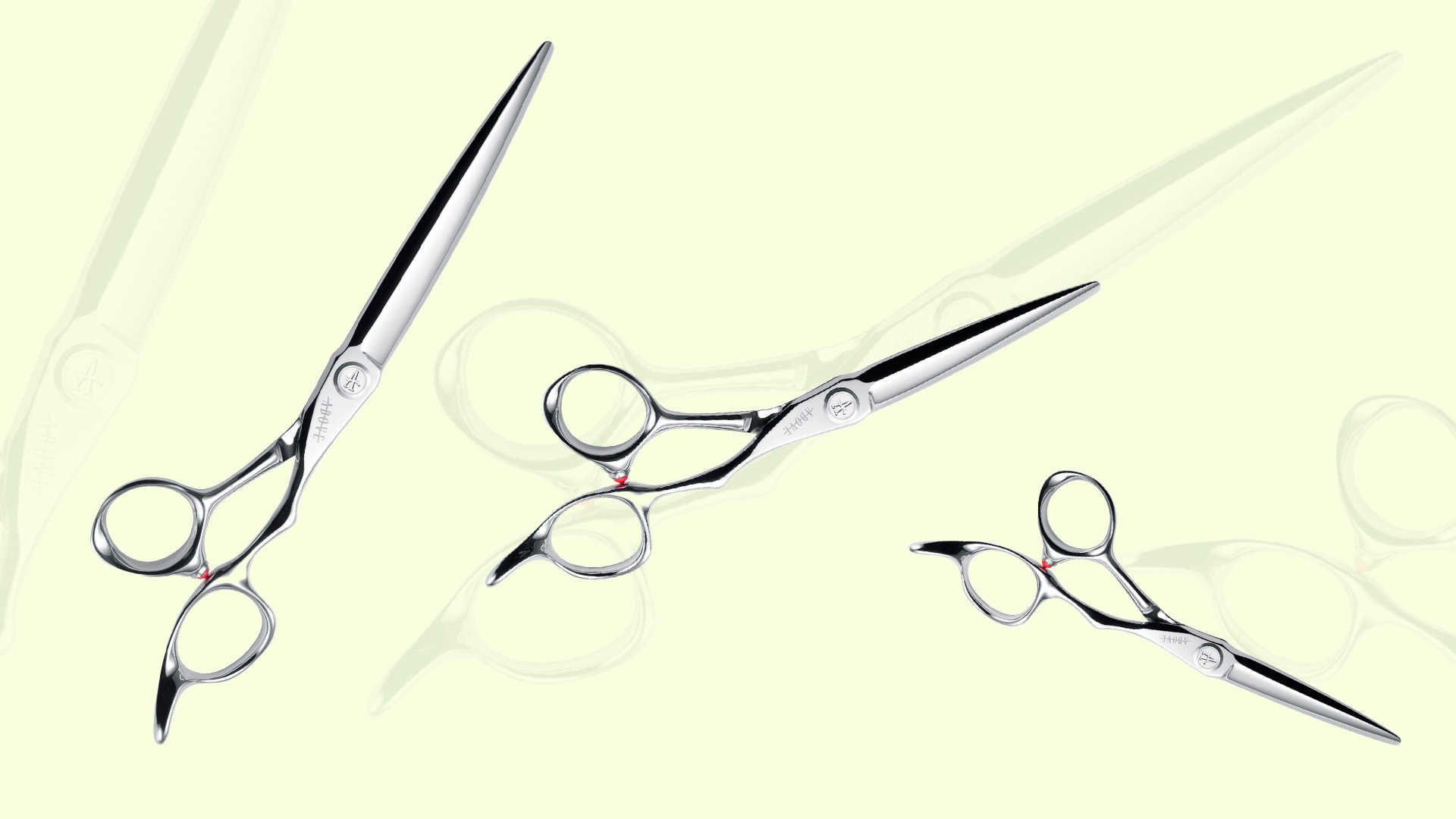
You are standing at the beauty supply display. Three pairs of shears. Same brand. Same quality. Same beautiful finish. But different lengths. 5.5 inches. 6 inches. 7 inches. Which one do you buy? Which one is right for your hand, your cutting style, your clients?
Most stylists guess. They buy what their friend uses. They buy what looks comfortable in the hand for thirty seconds. They buy the middle option because it feels safe. Then they go back to work and wonder why their new shears feel clumsy, why their wrist hurts, why certain cuts are harder than they should be.
The length of your shears is not a matter of taste. It is a matter of mechanics. Different lengths excel at different tasks. The right shear for one stylist is the wrong shear for another. The right shear for a precision bob is wrong for a point-cut shag. Understanding the difference transforms how you work.
Let us start with the smallest option. Five and a half inch shears are short. The blades are compact. The cutting surface is limited. This sounds like a disadvantage. It is not. Short shears excel at detail work. Cutting around the ears. Trimming the nape. Point cutting into tight spaces. Working on small heads or short hair. The short blade gives you control. You can see exactly where the tip is at all times. There is less metal to maneuver in tight areas.
Five and a half inch shears are also lighter. Less weight means less fatigue. If you do intricate work all day, if you specialize in short hair or pixie cuts, if you have small hands, a 5.5 inch shear might be your perfect tool. The trade-off is speed. Long, smooth cuts are harder with a short blade. You will take more snips to cover the same distance.
Now the middle option. Six inch shears are the most common. They are the default for a reason. They balance control and speed. They are long enough to cut a straight line efficiently. They are short enough to maneuver around the ears. They work for most cutting techniques. They fit most hands.
If you are a generalist, if you do a mix of cuts, if you are buying your first good pair of shears, start with 6 inches. It is the safest choice. It will not be perfect for every task. It will be good enough for almost all of them. Over time, you will learn what you wish were different. Then you can add specialized lengths to your collection.
Now the largest option. Seven inch shears are long. The blades cover more distance with each snip. They are designed for speed and efficiency. Cutting a blunt line on long, thick hair is faster with a 7 inch shear. Removing bulk from a dense head takes fewer strokes. The longer blade also helps you see the line you are cutting. You can rest the blade on your fingers and use the full length as a guide.
Seven inch shears are heavier. They require more hand strength and more wrist control. They are harder to maneuver in tight spaces. Cutting around the ears with a 7 inch shear is awkward. Point cutting requires more precision because the tip is farther from your hand. If you have small hands, a 7 inch shear may feel unbalanced and unwieldy.
How do you know which length you need? The answer is not in the display case. It is in your work.
Think about your average client. Do you mostly cut short hair, pixie cuts, and precision bobs? Try a 5.5 inch shear. The control will surprise you. Do you mostly cut long hair, thick hair, and blunt lines? Try a 7 inch shear. The speed will delight you. Do you do a bit of everything? Start with 6 inches. Learn what you wish were different.
Think about your hand size. Hold a 6 inch shear. Where does the thumb ring sit? Where is the finger rest? If your fingers feel cramped, go longer. If you feel like you are reaching, go shorter. A shear that does not fit your hand will never feel right, no matter how sharp it is.
Think about your cutting style. Do you cut with your shears deep in the section, using the full blade? Longer shears will serve you well. Do you cut with the tips, nibbling at the ends? Shorter shears will feel more natural. There is no wrong style. There is only what works for your hand.
The best approach is to own multiple lengths. A 6 inch shear for general work. A 5.5 inch shear for detail and short hair. A 7 inch shear for long hair and bulk removal. You would not use the same knife for slicing bread and paring an apple. Do not use the same shear for every cut.
If you can only afford one pair, buy 6 inches. Master it. Learn its strengths and weaknesses. Then save for your next pair. The second pair should address what your first pair struggles with. If your 6 inch shears feel clumsy around the ears, buy a 5.5 inch. If they feel slow on long hair, buy a 7 inch. Build a kit that works for your work.
The stylist who uses the right length for the right task cuts faster, cuts cleaner, and hurts less at the end of the day. That is not a coincidence. That is engineering. Your hand is a machine. Your shears are a tool. Match them correctly, and the work feels like play. Match them poorly, and every cut is a battle. Choose wisely. Your wrist will thank you. Your clients will thank you. And your shears will finally feel like an extension of your hand.


