


Why Cutting Precision Matters More as Styling Becomes Minimal
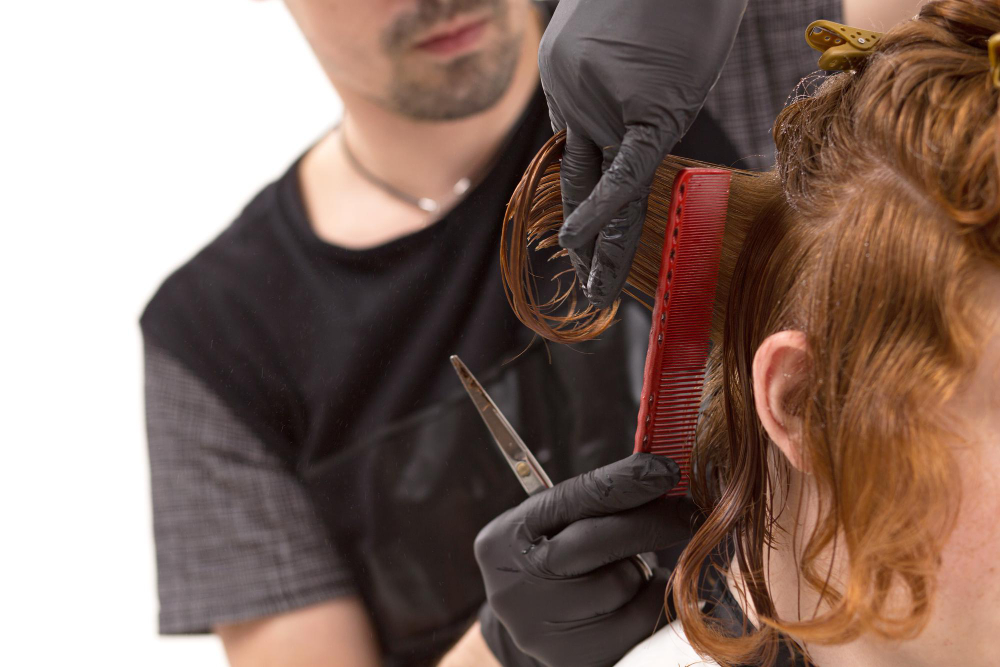
As styling routines become simpler, the haircut itself carries more responsibility for the final result. With fewer tools, products, and finishing techniques used daily, any imbalance or inaccuracy in the cut becomes immediately visible. This shift has increased the importance of cutting precision across all hair lengths and textures.
Reduced Styling Exposes Structural Flaws
When hair is heavily styled, minor cutting inconsistencies can be disguised. Minimal styling removes that buffer. Common issues that become noticeable include:
- Uneven weight distribution
- Inconsistent length through the perimeter
- Poor internal balance
- Sections that collapse or expand unpredictably
Precision ensures the haircut performs without relying on external correction.
Haircuts Must Function in Their Natural State
Modern haircut design increasingly accounts for how hair behaves when air-dried or lightly finished. Precision allows the cut to settle correctly without manipulation. This requires:
- Accurate sectioning aligned with natural fall
- Consistent elevation and tension control
- Clean perimeter work
- Intentional internal structure
Each choice affects how the hair sits on its own.
Precision Supports Shape Longevity
Cuts that lack precision tend to lose shape quickly as hair grows. Minimal styling makes this breakdown more apparent. Precise cutting helps:
- Maintain balance as length increases
- Prevent perimeter distortion
- Preserve internal support
- Reduce the need for frequent reshaping
This aligns with longer maintenance cycles.
Texture Becomes More Visible Without Heavy Finishing
When styling is minimal, texture is no longer masked. Precision allows texture to be managed rather than hidden. Stylists are focusing on:
- Preserving natural movement
- Controlling density without thinning
- Avoiding over-texturizing
- Allowing texture to sit evenly
This improves consistency across wash-and-wear styling.
Client Expectations Have Shifted
Clients increasingly expect haircuts to look intentional without effort. Precision supports this expectation by reducing dependence on daily styling. This includes:
- Predictable results day to day
- Fewer styling steps at home
- Better performance between appointments
Precision becomes part of the service value.
Training and Skill Development
As minimal styling becomes standard, cutting education emphasizes accuracy over speed. Stylists are refining:
- Section control
- Visual balance assessment
- Tension and elevation discipline
- Finishing checks without heavy styling
These skills improve reliability.
Professional Benefits
Precision reduces corrective work, improves retention, and builds trust. When haircuts perform well without styling, confidence in the stylist’s technical ability increases.
As styling becomes minimal, cutting precision is no longer optional. It is the foundation that allows haircuts to function, wear well, and meet modern expectations.


