


Why Internal Structure Is Replacing Heavy Layering in Modern Haircuts
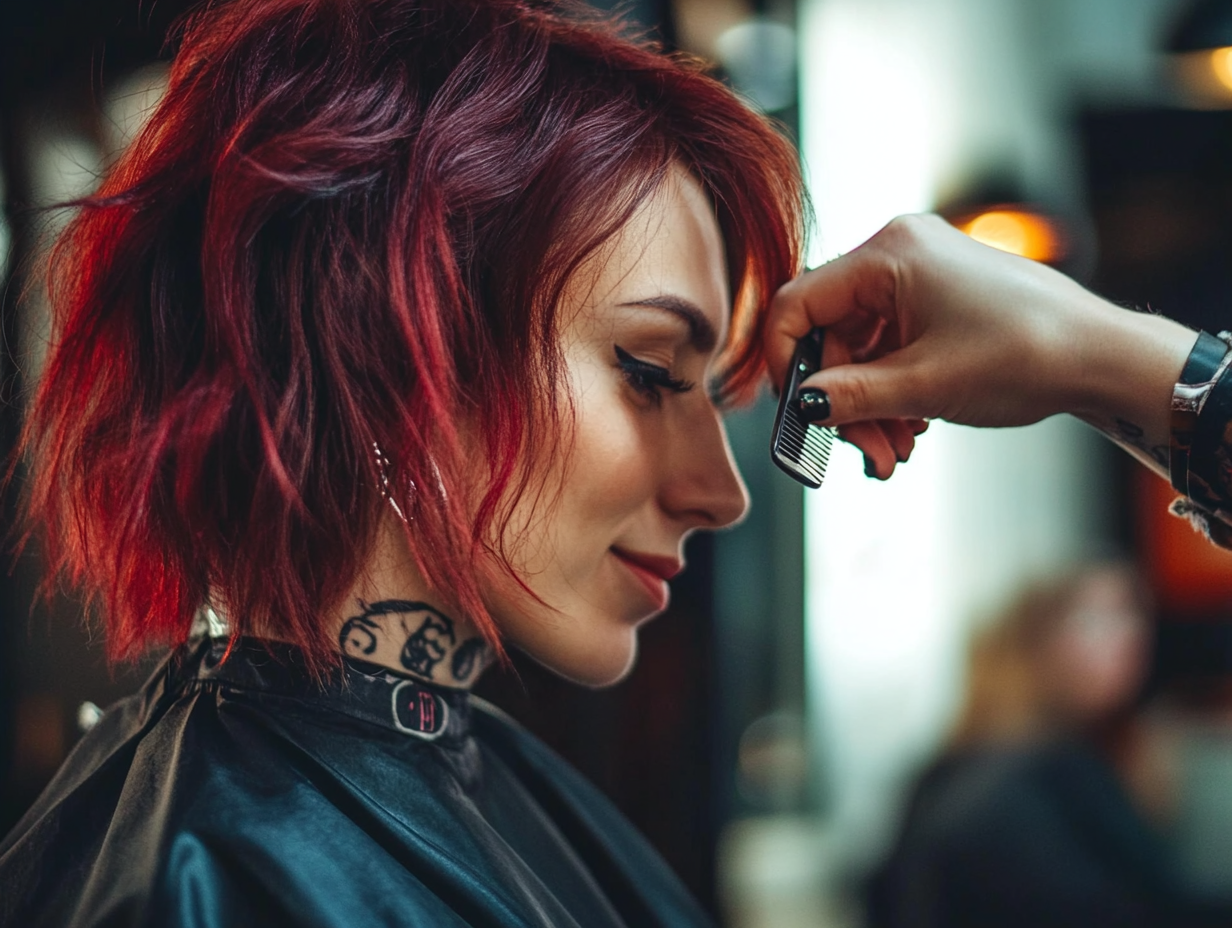
Haircutting techniques continue to evolve as client expectations, styling habits, and hair health priorities change. One of the clearest shifts in modern haircut design is the move away from heavy, visible layering toward internal structure. Rather than relying on obvious layers to create movement or reduce bulk, stylists are increasingly building shape from within the haircut. This approach produces more consistent results, better grow-out, and greater adaptability to everyday styling.
What Is Meant by Internal Structure
Internal structure refers to the way a haircut is organized beneath the surface. Instead of creating visible steps or pronounced layer lines, the stylist shapes the interior of the cut to support movement and balance.
Internal structure is achieved through:
Controlled elevation
Strategic overdirection
Selective weight removal
Guide selection that supports the overall silhouette
The exterior remains clean while the interior carries the functional design.
Limitations of Heavy Layering
Heavy layering can create immediate movement, but it often introduces problems over time.
Common issues include:
Loss of shape as layers grow
Separation and gaps in fine or low-density hair
Excess volume in unwanted areas
Difficulty styling without heat
Shortened lifespan of the haircut
These challenges have made heavy layering less suitable for current client needs.
How Internal Structure Improves Longevity
Haircuts built with internal structure tend to hold their shape longer. Because the exterior is not overly altered, the cut maintains a consistent outline as it grows.
Benefits include:
Predictable weight distribution
Reduced collapse between appointments
More controlled movement
Easier maintenance over time
This aligns with clients who prefer longer intervals between visits.
Supporting Natural Texture
Internal structure works more effectively with natural texture than heavy layering.
By shaping the interior:
Waves and curls maintain cohesion
Straight hair avoids a choppy appearance
Density can be managed without thinning the ends
Shrinkage and expansion are easier to control
This makes the technique adaptable across different hair types.
Improved Styling Flexibility
Haircuts with internal structure perform well across a range of styling methods.
They tend to:
Air-dry more consistently
Require less product
Respond better to low-heat styling
Maintain balance when worn naturally
This supports current trends toward simplified styling routines.
Weight Control Without Over-Thinning
Heavy layering often relies on thinning or aggressive removal of hair. Internal structure allows stylists to manage weight without compromising density.
This approach:
Preserves fullness at the perimeter
Reduces bulk where necessary
Avoids weak or wispy ends
Maintains a polished appearance
The result is a haircut that feels lighter without looking sparse.
Precision Over Speed
Building internal structure requires planning and accuracy rather than quick, repetitive techniques.
Stylists must:
Understand head shape and growth patterns
Choose guides deliberately
Monitor balance throughout the service
Make adjustments gradually
This increases consistency and reduces corrective work.
Why This Shift Is Continuing
As clients prioritize hair health, longevity, and ease of styling, internal structure offers practical advantages that heavy layering cannot consistently deliver.
Modern haircuts are expected to:
Hold shape longer
Adapt to different styling habits
Work with natural texture
Grow out evenly
Internal structure supports these expectations.
The move away from heavy layering reflects a broader change in haircut design. Internal structure provides control, durability, and versatility without relying on visible layers or aggressive thinning.
For stylists focused on long-term performance rather than short-term impact, internal structure has become a foundational technique in modern haircutting.


