Posted on — Leave a comment

Mastering Sculpted Length: Techniques for Adding Texture Without Bulk in Long Men’s Hair

Particularly for those with longer locks, the challenge of adding texture without bulk often lies in sculpting the hair to add shape and texture without sacrificing volume or resorting to a bulky appearance. With the right approach and trusty shears in hand, achieving this balance is entirely within reach. Let’s explore how to build weight without bulk in long men’s hair, drawing inspiration from seasoned styling techniques.

  1. Preparation is Key: Employing a Cutting Aid: For our exploration into sculpting weight without bulk in long men’s hair, understanding the role of a cutting aid is crucial. A cutting aid is not just any product—it’s a lightly-moisturizing and refreshing tonic designed specifically to prepare the hair for cutting and styling. By infusing the hair with a light hold and subtle texture, it significantly enhances control and manageability during the cutting process. This not only facilitates easier sectioning but also ensures that the hair responds better to the stylist’s techniques, making it an indispensable tool in achieving that perfect, effortless look.
    The journey to a perfect cut begins with proper hair preparation. Opt for a hair cutting aid of your preference, applying it loosely to the client’s hair before you start cutting. This step is crucial, especially for those with finer hair textures, as it ensures the hair is well-saturated, facilitating easier sectioning and granting you increased control throughout the cutting process. A cutting aid not only improves manageability but also primes the hair for a more refined cutting experience.
  2. Strategic Starting Point: Begin at the Temple
    Initiating your cut at the temple area offers several advantages. This approach not only sets a clear visual guide for both you and your client but also allows an immediate assessment of their comfort with the proposed length. By establishing your guide early on, you can ensure the final look aligns with the client’s expectations, fostering trust and satisfaction from the get-go.
  3. The Importance of Elevation: Maintaining Zero Elevation
    One of the keys to avoiding bulk while building weight in long men’s hair is to maintain zero elevation as you work. As you release hair from each clipped-off section, cut to your stationary guide without lifting the hair away from its natural fall. This technique ensures the haircut remains smooth and cohesive, avoiding any unwanted “stair-step” effects that can disrupt the overall silhouette.
  4. Creating Texture: The Art of Point Cutting
    To inject life and movement into the hair, point cutting is your go-to technique. By snipping into the ends of the hair rather than cutting straight across, you soften the overall look, adding a dynamic texture that can’t be achieved through uniform length. This method is essential for crafting a style that appears both effortless and styled, embodying the modern man’s desire for a low-maintenance yet polished appearance.

Crafting the Perfect Cut
Achieving the perfect balance of weight without bulk in long men’s hair is a nuanced skill, blending artistry with precision. By starting with the right preparation, choosing an effective initial guide, maintaining zero elevation, and mastering the technique of point cutting, stylists can sculpt a hairstyle that is both sophisticated and natural. Remember, the goal is to enhance the client’s individual style while ensuring their hair remains manageable and versatile. With shears in hand and these strategies at the forefront, stylists are well-equipped to create tailored looks that clients will love.

Posted on — Leave a comment

Layering Hair – Cut & Style Survival Guide for Stylists

AS_BLOG_PIC

Layered haircuts are dominating the trend charts, captivating both stylists and clients with their dynamic and voluminous appeal. This guide is dedicated to professional stylists looking to refine their layering techniques, offering insights from initial consultation to the final styling touches. Whether you’re dealing with a client ready to transition from one-length hair to a layered masterpiece or seeking to perfect the art of seamless layers, this guide has got you covered.

Mastering the Consultation
The journey to perfect layers begins with a thorough consultation. When a client expresses interest in layers for the first time, it’s crucial to set clear expectations. Show them the section of hair at the crown where you plan to start the layers, and the angle of cutting to reassure them about maintaining their length. For the hesitant client, a gentle nudge towards trust, perhaps suggesting a surprise reveal, can make the experience exciting.

Communicating the concept of removing weight to create movement is vital. Describe the process as crafting ‘effortless,’ ‘easy,’ and ‘manageable’ hair, emphasizing the difference it makes from the usual one-length style.

Crafting the Cut
Utilize Fundamental Layering for Trending Looks
Aiming for a shag silhouette à la Brigitte Bardot requires soft, diffused layers that offer an effortless look and a seamless grow-out phase. This style is less about reducing length and more about strategically removing interior weight. It’s an artistic endeavor—scan through the hair, identifying areas that need space and texture, and carve accordingly to enhance movement and volume.

Tips for Cutting Long Layers
Keep The Hair Saturated: Use a leave-in conditioner as a cutting aid to maintain moisture, detangle, and increase control throughout the haircut. Hydration is key in executing precise cuts.

Overdirect To The Center: For face-framing layers, overdirect the hair across the face’s center point. This technique allows you to beautifully frame the jawline while preserving length towards the perimeter and ensures evenness on both sides.

Slide Cutting: Avoid blunt cutting as it can lead to excessive length removal. Instead, opt for slide cutting for a clean, soft finish that connects layers seamlessly.

Dry-Cutting Layers: While many stylists are accustomed to wet cutting, dry cutting offers unparalleled precision. It allows you to see exactly how the hair falls and behaves, making it easier to add detailed touches, especially vital for clients with straight hair where imperfections are more noticeable.

Texturizing Heavy Ends: If the ends feel too heavy after layering, using a texturizing shear like the NOVA 13T can be a game-changer. This tool can remove a significant amount of weight, around 35-40%, making the layers blend effortlessly with the rest of the hair.

Pro Tip to Avoid Common Pitfalls
A common mistake when cutting layers is creating unwanted gaps or ‘holes’ between the sides and back of the hair, particularly around the ear area. To prevent this, ensure you’re dropping out the length before you start layering in these critical zones.


Layered haircuts offer a dynamic and versatile option for clients seeking a change. As stylists, our goal is to execute these cuts with precision and creativity, ensuring each client walks out feeling refreshed and confident. Remember, layering is not just about cutting hair; it’s about sculpting a look that complements the individual’s features and lifestyle. With these tips and techniques, you’re well-equipped to tackle any layering challenge that comes your way, creating beautiful, flowing styles that clients will love.

Posted on — Leave a comment

Ergonomics in Hairdressing: Why Comfortable Shears Matter

The significance of the right tools cannot be overstated. While hairstylists focus on crafting the perfect look for their clients, the impact of the tools they use on their own well-being often takes a back seat. One key element that deserves attention is the ergonomic design of hair cutting shears. In this article, we’ll explore why comfortable shears matter and how they contribute to a positive and efficient hairstyling experience.

Understanding Ergonomics in Shear Design
Ergonomics, in the context of hair cutting shears, goes beyond aesthetics. It encompasses the thoughtful design that prioritizes the comfort and efficiency of stylists during extended use. Ergonomic shears are crafted with the stylist’s experience in mind, acknowledging the physical demands of the profession.

The Impact on Stylist Well-being
Long hours of styling can take a toll on a stylist’s body, particularly the hands, wrists, and shoulders. Non-ergonomic shears may contribute to hand fatigue, wrist strain, and discomfort, leading to potential long-term health issues. Comfortable shears are designed to mitigate these challenges, promoting a healthier and more sustainable approach to hairstyling.


Above New XFit Series – is where ergonomics meets precision in a shear that redefines comfort and accuracy. Engineered with an unwavering focus on enhancing the stylist’s experience, the XFit Series is a game-changer in the world of hair cutting shears. Its innovative handle design takes ergonomics to a whole new level, providing optimal hand comfort and an unparalleled grip that minimizes strain and fatigue during extended use.

Precision cutting lies at the core of the XFit Series, boasting blades crafted from high-quality Japanese steel for exceptional sharpness and durability. Whether you favor point or blunt cut techniques, these shears offer unmatched precision, effortlessly creating clean lines and flawless finishes. The XFit Series excels in versatility and adaptability, with finely tuned blade alignment that grants hairstylists exceptional control and maneuverability, enabling the execution of intricate cuts with ease.

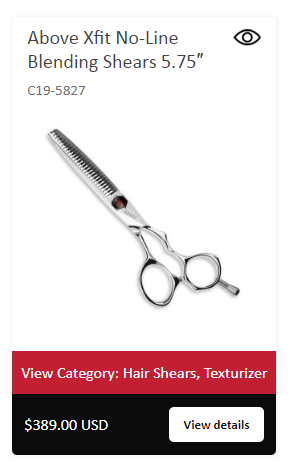
Above Xfit professional hair cutting shear for salon and stylist scissors

Not just a tool but a statement of professionalism, the XFit Series boasts a sleek design that reflects the excellence associated with Above Shears. Elevate your cutting game to new heights with the XFit Series – a perfect blend of ergonomic design and precision cutting. Experience the freedom to unleash your creativity and achieve outstanding results, whether you’re into point cutting or blunt cutting. The XFit Series is more than just shears; it’s a revolution in hairstyling comfort and performance.

Improved Precision and Control
The quest for precision in hairstyling is a constant pursuit, and comfortable shears play a pivotal role in achieving it. Ergonomic handles and designs empower stylists to maintain better posture, resulting in improved control during intricate cutting techniques. The comfort factor directly translates into enhanced precision, ensuring the desired hairstyle is executed with finesse.

Reducing the Risk of Repetitive Strain Injuries (RSI)
Repetitive Strain Injuries (RSI) are a concern for many hairstylists due to the repetitive nature of their work. Ergonomic shears are crafted to reduce the risk of RSIs by minimizing strain on the hands and wrists. Investing in comfortable shears is not just a choice for convenience; it’s a proactive measure to safeguard the stylist’s physical well-being.

ABOVE XFIT professional hair cutting shears salon stylist scissor

Choosing the Right Ergonomic Shears
As stylists navigate the diverse landscape of hair cutting shears, it’s essential to prioritize ergonomic features. Look for designs that align with your comfort preferences, considering factors such as handle shape, weight distribution, and overall ease of use. The right shears can make a significant difference in your daily work experience.

Comfortable shears are not just a luxury; they are a necessity for hairstylists aiming for excellence in their craft. Prioritizing ergonomic design is an investment in both the stylist’s well-being and the quality of the services provided. As the beauty industry continues to evolve, let’s ensure that the tools we rely on are not only cutting-edge in style but also in comfort.

Posted on — Leave a comment

From Ancient Tools to Modern Precision. The Evolution of Hair Cutting Shears.

Hair cutting shears have played a crucial role in the art of hairstyling throughout history. From rudimentary cutting tools used in ancient civilizations to the precision instruments of today, the evolution of hair cutting shears reflects both technological advancements and changing fashion trends. Let’s take a journey through time to explore the fascinating history of these essential tools.

Ancient Beginnings:

The origins of hair cutting can be traced back to ancient civilizations, where primitive tools such as flint blades, shells, and even sharpened stones were used for grooming. In ancient Egypt, for example, evidence suggests that metal shears made from copper or bronze were employed for cutting hair. These early tools were a far cry from the precision instruments we use today but marked the beginning of a practice that would continue to evolve over the centuries.

Medieval Europe:

As societies progressed, so did the tools used for hair cutting. In medieval Europe, barbers played a significant role not only in hair cutting but also in surgical procedures. Scissors and shears began to take on a more recognizable form, with blades made of iron or steel. The design of these shears featured a pivot point, allowing for more controlled and precise cutting.

Renaissance and the Golden Age of Barbering:

The Renaissance brought about a greater focus on personal grooming and style. Barbershops flourished during this period, and with it, advancements in hair cutting shears. Craftsmen began to experiment with different materials and designs to enhance the functionality and comfort of the tools. The blades became sharper, and the handles more ergonomic, reflecting the growing importance of personal grooming in society.

Industrial Revolution:

The 19th century and the Industrial Revolution marked a significant turning point in the history of hair cutting shears. Mass production techniques allowed for the manufacturing of standardized, affordable shears. The use of high-quality steel became more prevalent, contributing to sharper and more durable blades. This era also witnessed the emergence of well-known brands that are still synonymous with quality shears today.

20th Century Innovations:

The 20th century brought about further innovations in the design and functionality of hair cutting shears. The introduction of stainless steel revolutionized the industry, providing corrosion-resistant and easy-to-maintain blades. Additionally, advancements in engineering allowed for the creation of shears with offset handles, reducing strain on the stylist’s wrist and hand during prolonged use.

Contemporary Precision:

In the 21st century, hair cutting shears have become highly specialized tools, catering to various hairstyling techniques and trends. Japanese steel, known for its exceptional quality, has become a preferred material for crafting high-end shears. Specialized shears, such as thinning shears and texturizing shears, have also become commonplace, allowing hairstylists to achieve a wide range of styles with precision and finesse.

The history of hair cutting shears is a testament to the evolution of hairstyling as both an art form and a reflection of societal norms. From humble beginnings with primitive tools to the sophisticated instruments used by modern hairstylists, the journey of these shears reflects not only advancements in technology but also the ever-changing landscape of fashion and personal grooming. As we continue to move forward, one can only anticipate further innovations that will shape the future of this essential hairstyling tool.

Posted on — Leave a comment

Mastering the Men’s Cut: Techniques for Precision and Style

This is an in-depth exploration of the artistry behind men’s haircuts. The intricacies of mastering the men’s cut are crucial to perform a great haircut, this short read will provide you with nuanced insights and techniques that will improve your skills and set you apart as a trendsetting stylist.

  1. Understanding Face Shapes: A client’s face is a canvas, and your ability to adapt a haircut to enhance their unique features is crucial. Take a deep dive into the classic face shapes – oval, round, square, heart, and oblong – and understand how each shape influences the ideal haircut. This will allow you to develop a keen eye for recognizing and capitalizing on your client’s natural beauty.

Consider the oval face, for instance, and how it serves as the template for balanced proportions. Your techniques should aim to maintain this harmony, while for a round face, strategic layering and volume can add elongation and definition. Take the time to analyze and appreciate the subtleties of each face shape, as this foundation is the first step towards precision in your craft.

  1. The Art of Clipper Work: Clippers are indispensable tools in a stylist’s arsenal, especially when crafting men’s cuts. Instead of merely selecting guard lengths, dive into the clipper over comb and freehand techniques. Experiment with various angles and pressures to achieve a flawless fade that seamlessly transitions from skin to desired length.

Understanding clipper work allows you to cater to a broad spectrum of client preferences – from skin fades to textured tapers. Practice precision fades to perfection, paying attention to transitions, and consider incorporating clipper-over-comb techniques for a more personalized touch.

  1. Texture and Layering: Creating depth and movement through texture and layering is an art form that demands careful consideration of hair type, thickness, and client preferences. Investigate advanced techniques such as point cutting, a method that introduces subtle texture and movement without compromising overall structure.

Slicing, another technique to explore, involves cutting sections of hair at an angle, adding visual interest and dynamic movement. Additionally, experimenting with texturizing shears allows you to adapt the level of texture to meet your client’s desired style – be it a sleek, polished look or a more casual, tousled finish.

  1. Perfecting the Taper: The taper is a hallmark of timeless men’s hairstyling, requiring meticulous attention to detail. Rather than viewing it as a routine aspect of the cut, consider the taper as an opportunity to showcase your expertise. Blend lengths seamlessly from the nape to the sideburns, paying close attention to nuances in hair growth patterns and adjusting your technique accordingly.

Achieving a flawless taper involves understanding the nuances of different taper styles – low, mid, or high – and adapting your approach based on your client’s preferences and facial structure. A well-executed taper not only enhances the overall haircut but also adds a touch of sophistication and refinement.

  1. Beard Grooming: In today’s grooming landscape, a well-groomed beard complements a precisely crafted haircut. Elevate your skills by mastering the art of beard grooming – a skill set that extends beyond mere trimming. Understand the principles of shaping and sculpting to create a harmonious balance between the haircut and beard, ensuring a cohesive and polished look.

Detailing is a crucial aspect of beard grooming, requiring precision in creating clean lines and defining the beard’s natural contours. Equip yourself with a diverse range of tools, from trimmers to precision scissors, to cater to varying beard styles and lengths. Your proficiency in beard grooming will not only enhance your service but also solidify your reputation as a comprehensive stylist.

  1. Keeping Up with Trends: Staying on top of the ever-evolving landscape of men’s hairstyles is a testament to your commitment to excellence. Immerse yourself in the world of trends by attending workshops, following industry influencers, and actively seeking out inspiration from diverse sources.

Rather than viewing trends as fleeting fads, consider them as opportunities to expand your repertoire and cater to a broader clientele. Experiment with new styles, techniques, and products, ensuring that your skillset remains versatile and adaptable. Your ability to seamlessly blend classic styles with contemporary trends will position you as a stylist who not only follows trends but also sets them.

Mastering the men’s cut is a journey that requires dedication, continuous learning, and a passion for the craft. As you dive into the intricacies of face shapes, clipper work, texture, tapering, beard grooming, and trend adaptation, remember that you are not merely cutting hair – you are sculpting individual identities and fostering confidence.

Sharpen your skills, embrace the artistry of hairstyling, and watch as your clients leave your chair not just with a haircut but with a personal experience that reflects your commitment to precision and style. Here’s to setting the standard in men’s hairstyling – one impeccable cut at a time!

Posted on — Leave a comment

The Art of Texturizing: Achieving Effortless Texture with Shears

Creating texture in hairstyles is an art form that adds depth, dimension, and a touch of personality to every cut. One of the key tools in a hairstylist’s arsenal for achieving this textured magic is the texturizing shear. In this guide, we will delve into the art of texturizing, exploring the techniques and tips that will help you achieve effortless texture with your shears.

Understanding the Basics
Before we embark on the journey of texturizing, let’s grasp the basics. Texturizing shears, also known as thinning shears or blending shears, are designed with teeth on one or both blades. These teeth remove bulk from the hair, creating a softer and more blended look. Understanding the anatomy of your texturizing shears is the first step to mastering the art.

Choosing the Right Shears
Not all texturizing shears are created equal. Different shears have varying numbers and types of teeth, affecting the texture they create. Fine-toothed shears remove less hair with each cut, providing a subtle texture, while wider-toothed shears create a more pronounced effect. Selecting the right shears for the desired outcome is crucial in achieving the perfect texture.

Techniques for Texturizing
Slide Cutting: This technique involves gently opening and closing the shears while sliding them down a section of hair. It creates a soft and natural texture, ideal for removing bulk without sacrificing length.

Point Cutting: By cutting into the hair at an angle rather than straight across, you can add texture and movement. Point cutting is excellent for creating a more lived-in and relaxed look.

Twist Cutting: Twisting a section of hair before cutting with texturizing shears can result in a more unpredictable and organic texture. This technique is perfect for those looking to achieve a beachy or tousled effect.

Texturizing Tips
Start Conservatively: It’s always easier to remove more hair later if needed, so start with a conservative approach. You can gradually increase the intensity of the texture based on the desired outcome.

Work in Sections: Divide the hair into manageable sections to ensure an even distribution of texture. This also allows you to focus on one area at a time, refining your technique as you go.

Blend Strategically: Texturizing is not just about creating texture; it’s also about blending layers seamlessly. Pay attention to the overall shape and flow of the haircut while texturizing to maintain a cohesive look.
Mastering the art of texturizing with shears requires practice, a keen eye, and a deep understanding of the tools at your disposal. By choosing the right shears, employing various techniques, and following these tips, you can achieve effortless texture that enhances the beauty of every hairstyle. Embrace the artistry, and let your creativity flow through each carefully crafted cut.

Posted on — Leave a comment

Cultural Influences on Hairstyles: Drawing Inspiration from Around the World

the cultural influences behind different hairstyles not only broadens your artistic repertoire but also allows you to create personalized, culturally resonant looks for your clients. In this article, we’ll explore the rich tapestry of global hairstyles, offering inspiration and insights that can elevate your styling game.


African Braiding Traditions:

African braiding is a cultural practice deeply rooted in tradition and symbolism. Styles such as Fulani braids, originating from the Fulani people of West Africa, often incorporate unique patterns that convey a wearer’s social status, age, and even marital status. Ghana braids, characterized by intricate weaves close to the scalp, are a testament to the artistic prowess of African hairstyling. Senegalese twists, originating from the Wolof people of Senegal, showcase the beauty of neatly twisted, rope-like strands.

Delve into the world of African braiding to understand not just the technical aspects but the cultural significance behind each style. Learning to master these techniques will not only expand your skill set but also enable you to offer clients hairstyles that carry a rich cultural narrative.

Asian Elegance:

Asian cultures have long been associated with elegance and precision, reflected in their hairstyles. Traditional Japanese geisha hairstyles, with their elaborate updos and ornate accessories, require a meticulous approach to detail. Meanwhile, the influence of K-pop has popularized sleek, modern looks that demand precision cutting and innovative coloring techniques.

Study the diverse range of Asian hairstyles to gain insights into the fusion of tradition and contemporary trends. Whether it’s mastering the intricacies of traditional updos or staying on the cutting edge of modern styles, incorporating Asian influences will add sophistication and versatility to your skill set.

Mediterranean Vibes:

The Mediterranean region, with its sun-soaked landscapes and timeless beauty, offers a wealth of inspiration for hairstylists. Italian updos, characterized by a perfect blend of simplicity and sophistication, exude classic charm. Grecian waves, inspired by ancient Greek aesthetics, showcase a laid-back yet elegant allure.

Embrace the art of creating hairstyles that capture the essence of Mediterranean beauty. Experiment with styles that echo the sunlit shores and effortless elegance of this culturally rich region. From bridal looks to casual day-to-day styles, infusing Mediterranean vibes into your repertoire will provide clients with a touch of timeless beauty.

Latin American Flair:

Latin American hairstyles are a celebration of vibrancy, diversity, and bold self-expression. From the vivacious curls inspired by salsa dancing to the exuberant colors seen during Brazil’s Carnival, there’s an abundance of inspiration waiting to be explored.

Dive into the energetic world of Latin American hairstyles, experimenting with voluminous curls, vibrant colors, and dynamic textures. Learn to capture the festive spirit of cultural celebrations through your styling, offering clients looks that not only make a statement but also reflect the rich tapestry of Latin American heritage.

Middle Eastern Opulence:

The Middle East is synonymous with opulent beauty and timeless elegance. Traditional henna-dyed hair, often seen in intricate patterns, is a hallmark of Middle Eastern hairstyling. Bridal updos in the region are a spectacle of detailed artistry, combining intricate braiding and ornate accessories. Arabic curls, with their voluminous and luxurious appearance, exude a sense of refined beauty.

Immerse yourself in the opulence of Middle Eastern hairstyling, mastering the art of intricate detailing and refined techniques. Learn to infuse a sense of luxury into your work, offering clients hairstyles that channel the timeless allure of this culturally rich region. From everyday elegance to special occasions, incorporating Middle Eastern influences adds a touch of sophistication to your styling repertoire.

Posted on — Leave a comment

Mastering the Art of Client Consultations: Building Stronger Relationships

As a stylist, you have a unique opportunity to build meaningful and lasting relationships with your clients. The key to nurturing these connections often begins with the very first step of your appointment – the client consultation. Mastering the art of client consultations can not only help you understand your clients’ needs but also build stronger relationships that lead to loyal and satisfied clientele. In this blog post, we’ll explore the importance of effective client consultations and provide tips for creating lasting connections.

Why Client Consultations Matter

Client consultations are not just a formality; they are the foundation of a successful stylist-client relationship. Here’s why they matter:

1. Understanding Client Needs: Consultations allow you to grasp your client’s expectations, style preferences, and specific concerns. This understanding is crucial for delivering a tailored service.

2. Trust and Comfort: A well-conducted consultation builds trust and puts the client at ease. It shows that you value their input and are committed to delivering a service that meets their desires.

3. Problem-Solving: Consultations are an opportunity to identify and address any hair or style-related issues your clients might have, whether it’s damaged hair, color dissatisfaction, or a desire for a change.

Tips for Effective Client Consultations

Here are some strategies for mastering client consultations and building stronger relationships:

1. Active Listening: Listen attentively to what your client is saying. Encourage them to share their thoughts, concerns, and preferences. Ask open-ended questions to prompt detailed responses.

2. Visual Aids: Use visual aids like hairstyle magazines or digital portfolios to help clients visualize their desired look. This can be particularly helpful for clients who struggle to articulate their ideas.

3. Honest Communication: Be transparent about what is achievable and realistic. If a client’s request is not feasible or could damage their hair, it’s crucial to explain why and offer alternative solutions.

4. Manage Expectations: Ensure that your client understands the limitations of the service and what they can expect in terms of the final result. Managing expectations helps prevent disappointments.

5. Take Notes: Record important details from the consultation. This shows professionalism and allows you to reference the information during the appointment.

6. Recap and Confirm: At the end of the consultation, recap what you’ve discussed and confirm the client’s wishes. This demonstrates that you’ve been actively engaged in the conversation.

7. Follow-Up: After the appointment, consider sending a follow-up message to check in on the client’s satisfaction and offer assistance if needed. This extra step can go a long way in building stronger relationships.

Personalization and Trust

By mastering the art of client consultations, you’re not only ensuring that your clients leave your salon happy but also building trust and rapport that can lead to long-term relationships. Remember that every client is unique, and a personalized approach in consultations is key to creating a memorable and positive experience. Through these consultations, you can showcase your expertise, foster trust, and ultimately turn one-time visitors into loyal, satisfied clients who keep coming back for your exceptional service and advice.

Posted on — Leave a comment

Above Edge 2023 Conference was a Success!

The Above EDGE 2023 edition FACTORY SHARPENING PRACTICES AND PROFESSIONAL SELLING CONFERENCE was a remarkable three-day event that provided attendees with a wealth of learning experiences and skill development. From the early hours, participants were immersed in a world of knowledge and practical insights.

The first day began with an energizing start, with registration, greetings, and team member introductions, setting a collaborative tone for the event. Throughout the day, the conference featured an array of captivating presentations and demonstrations, such as Chao Wei’s deep dive into shear design and development and Hong Zhu’s engaging functional shear demos. These were complemented by sessions from industry experts like Bonnie Megowan, who shared essential insights on launching a sharpening business, and the Above Factory team, who revealed the art of turning metal into finely crafted shears. Moreover, attendees had the unique opportunity to explore factory sharpening techniques and practices, such as Convex-Edge and Ride-Line, all directly from the experts at Above Factory. The day concluded with a momentous “New Products Demo, Release, & Announcement,” and optional “Round Table Q&A” sessions allowed for further exchange of ideas and expertise. Without distractions, the conference was an ideal platform for participants to immerse themselves in learning and professional growth, leaving them better equipped to excel in their craft.

The second day of the conference commenced with an early start at 7:30 am, setting the stage for another day of immersive learning experiences. Following a brief “Review of Hot-Points” at 9:00 am, participants dove deep into the world of competition management with a session led by Jim O’Donnell, the President of On the Edge. Jim’s insights on “How to Deal with your Competition” offered attendees valuable strategies for staying ahead in a competitive industry, helping them refine their business approaches and strengthen their competitive edge.

The day continued with a series of Factory Sharpening Techniques & Practices sessions, provided by the Above Factory experts. Attendees had the privilege to explore Setting and Hollow Grinding techniques, delving into the intricacies of shear maintenance and sharpening. The in-depth exploration of these practices not only enhanced their technical skills but also instilled a sense of confidence and mastery in their craft. The day’s agenda also featured a session on Polishing techniques, further elevating the level of expertise among participants. Tessa Koenig, the Owner of Sweet Pea Grooming, shared her expertise in Pet Grooming using Curve Shears, offering a unique perspective for those interested in this specialized field. The day concluded with a valuable “Group Sharpening Practices” session, fostering a sense of camaraderie among attendees, and a final “Q&A” session that allowed participants to clarify any remaining doubts and concerns. This second day of the conference continued to be a rich source of learning and professional growth, emphasizing the importance of honing one’s skills in the competitive world of shear maintenance and sales.


The Above EDGE 2023 also featured an enlightening session by Alex Lee, the Vice President of Above Shears. His presentation, titled “Helping you Succeed-Sales with Shears’ Knowledge” Alex Lee shared invaluable insights into the art of selling shears and how to succeed in this competitive industry. His expertise and guidance on the intricacies of sales techniques and strategies left attendees with a deep understanding of how to effectively market and sell shears. Alex Lee’s session was a true testament to the conference’s commitment to enhancing the professional selling skills of the participants, making it an essential component of this comprehensive and enlightening event.


The third and final day of the conference continued the tradition of early starts at 7:30 am, maintaining the intense focus on professional development. After a “Continental Breakfast” that energized participants, the morning began with a unique and creative session focused on “Photo-Taking.” This innovative approach aimed to enhance participants’ visual presentation skills, an essential aspect of selling and promoting shears effectively.

The day then transitioned to an exciting “Concept Shears Show,” where attendees were treated to a visually stunning showcase of innovative and unique shear designs. This was followed by a session on “Professional Selling Skills” by Chao Wei, President of Above Shears. His expertise further enriched participants’ understanding of the art of selling shears. After a brief coffee break at 11:00 am, attendees gathered to explore “Selling by Effective Scheduling” with Randy Levin, the Vice President of NBTSG. This session offered valuable strategies for optimizing sales through efficient time management. Alex Lee, Vice President of Above Shears, then returned to share more of his insights on “Helping you Succeed-Sales with Shears’ Knowledge,” solidifying the sales skills of participants. After a hearty “Buffet Lunch,” the day continued with certification sessions, highlighting the commitment to skill development and industry recognition. The event culminated with a “Panel, Discussion & Conclusion” session, providing a platform for attendees to exchange ideas and bring their three-day journey to a fruitful close. The third day of the conference underscored the importance of visual presentation, effective scheduling, and advanced selling skills in the world of shears, providing attendees with a strong foundation to thrive in their profession.

Thank you so much to everyone for joining us and for your continued support!

Posted on — Leave a comment

Elevate Your Styling Game with These Face-Framing Hairstyles

The timeless allure of face-framing hairstyles have the power to enhance your clients’ features and create stunning transformations. In this article, we’ll delve into some of the most captivating face-framing hairstyles, providing you with insights and tips to elevate your styling game.

1. Curtain Bangs: The ’90s Revival

The ’90s are back, and curtain bangs are at the forefront of this revival. Celebrity hair extensionist Priscilla Valles notes that curtain bangs are “having a moment” for good reason. They add movement around the face and can serve as the focal point of a hairstyle. Whether your client wants a sleek updo or a boho-inspired look, curtain bangs can do the talking.

Styling Tip: To achieve a soft, curtain-like effect, use a flat iron or curling wand to gently curl the bangs away from the face. Finish with a light-hold hairspray to maintain the shape.

2. Medium-Length Layers: Blown-Out Elegance

Medium-length layers never go out of style. They offer a timeless, freshly blown-out appearance that suits a wide range of clients. For a sleek finish, consider using a product like Drybar’s Final Call Frizz & Static Control Mist ($29) to keep frizz and static at bay.

Styling Tip: To accentuate the layers, use a round brush when blow-drying the hair. This will add volume and shape, giving your client that effortlessly chic look.

3. Messy Layers: Effortless Cool

Messy layers, as seen on Hayley Kiyoko, exude an aura of effortless cool. Achieving this look depends on your client’s hair type. For some, a mousse and scrunching technique work wonders. Others may prefer using a curling iron to create curls in different directions, resulting in a relaxed, messy layered style.

Styling Tip: Use a texturizing spray or sea salt spray to add texture and hold to the messy layers. Embrace imperfection for that casually chic finish.

4. Bangin’ Layers: Face-Framing Magic

Elizabeth Olsen’s undone look is all about face-framing layers and messy bangs. Michael, a hairstylist, suggests creating short layers around the hairline and length while incorporating long layers throughout the rest of the hair to achieve this captivating style.

Styling Tip: To add a bit of edge to the look, tousle the layers with a light-hold pomade or hair wax, focusing on the face-framing sections for maximum impact.

5. Bouncy Bob: Soft and Playful

Jenna Ortega’s bouncy bob is anything but ordinary. With layers left hanging around her face and the top half pinned back, her style creates a soft and bouncy look. This playful approach to bobs adds an element of surprise and elegance.

Styling Tip: Use a curling wand to create loose waves on the hanging layers. Secure the top half with bobby pins for a half-up, half-down effect that adds volume and movement.

These face-framing hairstyles into your repertoire allows you to offer diverse and captivating options to your clients. It’s not just about the cut; it’s about the transformation and the confidence that comes with it. Keep honing your styling skills, and let your creativity shine through with these versatile looks.